

Weaponizing Antisemitism, Attacking Universities, and Attacking Cities
The Heritage Foundation's Project Esther, and the Assault on American Thought and Diversity

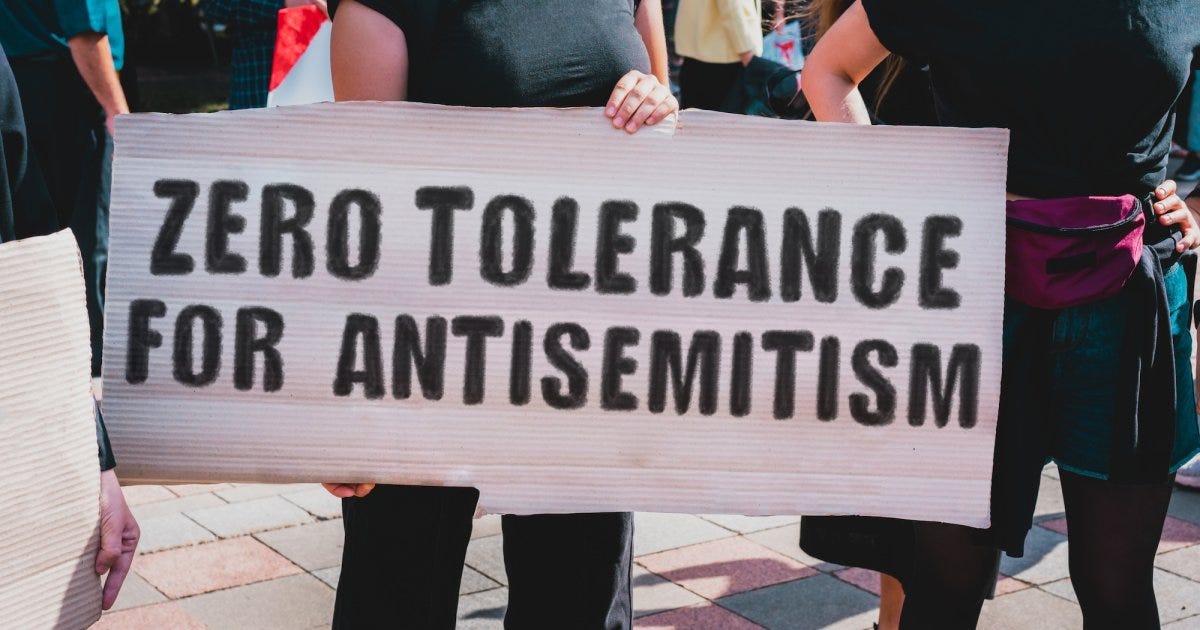
The federal district court ruling in Boston last week made one thing clear: the Trump administration’s attack on Harvard wasn’t really about antisemitism. Judge Allison Burroughs held that the administration’s freeze on billions in research funding was illegal, retaliatory, and untethered from any genuine concern about protecting Jewish students. The administration had no plausible link between cutting cancer research and combating antisemitism, and the court said so plainly.
This ruling matters far beyond Harvard’s labs. Because the attack on elite universities is the same attack we see on America’s cities. Both are centers of diverse thought, innovation, and debate. Both are home to the people and ideas Trump’s movement fears most. And both—universities and cities—are being systematically undermined under the false banner of protecting “real Americans.”
Like universities, our cities are where America’s future is being built. They house elite institutions of higher learning. They are home to large Jewish populations, thriving immigrant communities, and multiracial, multifaith coalitions of neighbors who work, study, and live together. In Boston, New York, Chicago, Los Angeles, and dozens more, Jews, Muslims, Asians, Latinos, and African Americans share the same streets, businesses, and schools. Cities, like universities, are messy but vibrant spaces that insist on making room for everyone.
And that, apparently, is the problem.
The Heritage Foundation’s Project Esther claims to protect Jewish students from antisemitism on campus. Protecting Jewish people from hate is a moral imperative. As someone who is pro-Jewish and firmly supports Israel’s existence and right to defend itself, I believe real antisemitism—graffitiing a swastika, threatening a synagogue, spewing conspiracy theories about Jewish control—is vile and must be denounced without hesitation. The Trump Administration’s attempt at conflating legitimate criticism of Israeli government policy with hatred of Jews is dishonest. And it weakens the fight against real antisemitism.
Similarly, cities are vilified not for their flaws but for their independence and diversity. Sanctuary city policies become scapegoats. Progressive mayors are attacked as “radical.” Funding for housing, transportation, and public health is clawed back in retaliation for resisting Trump’s agenda. Just as universities are punished for producing critical scholarship, cities are punished for producing progressive political majorities and leaders who won’t bow to authoritarian pressure.
Republicans have used “divide and conquer” for more than half a century to fracture the Democratic coalition. Richard Nixon’s Southern Strategy wooed white Southerners with racist dog whistles, pulling them away from the party of civil rights. Ronald Reagan vilified Black women as “welfare queens” to stoke resentment. George W. Bush used ballot referenda to weaponize fear of the LGBTQ community, pushing bans on same-sex marriage in state after state. Donald Trump has escalated these tactics, targeting immigrants through ICE raids, family separations, and promises of mass deportations. Each iteration was designed to peel away one vulnerable or marginalized group, isolating them politically while solidifying conservative power.
Now we see a similar cynical strategy aimed at Jewish Americans. Instead of ostracizing Jewish people like they did in the past with black or LGBTQ people, conservatives are presenting themselves as protectors against antisemitism. As the Boston court ruling revealed, the rhetoric masks an entirely different agenda: undermining intellectuals, silencing free speech, and gutting elite universities and research institutions. By framing nearly all dissent on campuses as inherently antisemitic, they attempt to drive a wedge between Jewish voters and other liberal-leaning constituencies—immigrants, Muslims, communities of color—who overwhelmingly live in the nation’s cities and support inclusive democracy. The promise of “protection” is a smokescreen for authoritarian control, one that endangers not only Jewish students but the very fabric of America’s pluralism.
The parallels are striking. Defunding cancer research at Harvard doesn’t protect Jewish students—it weakens a knowledge hub that dares to challenge Trump. Slashing housing or infrastructure support in Democratic-led cities in order to combat some nebulous definition of “waste, fraud, and abuse” hurts working families and it punishes communities for refusing to conform politically. In both cases, the strategy is the same: use the language of morality as a smokescreen for raw political retaliation.
And both attacks strike at the same heart: the hubs of America’s pluralism. Universities gather students from every background to debate the world’s hardest questions. Cities gather immigrants, minorities, and longtime residents into communities that, however imperfectly, try to make democracy work on the ground. To undermine either is to weaken America’s capacity for tolerance, debate, and progress.
The danger of stretching “antisemitism” to cover campus protests in general is the same danger as stretching “law and order” rhetoric to justify crackdowns in cities. It makes it harder to fight the real thing. If every criticism of Israeli policy is antisemitic, how do we respond when an actual neo-Nazi march threatens Jews? If every sanctuary policy is branded treasonous, how do we respond when real violence targets immigrant families? When the labels lose their meaning, the bigots win.
The court ruling in Boston restores funding to Harvard, but more importantly, it restores a measure of clarity. The administration’s campaign was never about Jewish safety. It was about silencing institutions of knowledge and the diverse communities they represent.
Protecting Jewish students means fighting real antisemitism. Supporting Israel’s existence means also supporting honest debate about its government policies. Defending America’s cities means recognizing them as the laboratories of democracy they are. The attacks on both universities and cities are not isolated—they are part of the same authoritarian playbook. And resisting them requires the same response: defending the messy, diverse, argumentative spaces where America’s best future is being debated and written.